Physics

Introduction to Gravitation

Gravitation is the force of attraction between any two masses in the universe. It governs the motion of celestial bodies and objects on Earth.

Key Concepts

Gravitational Force

Attractive force between two masses.
F = G(m₁m₂)/r²
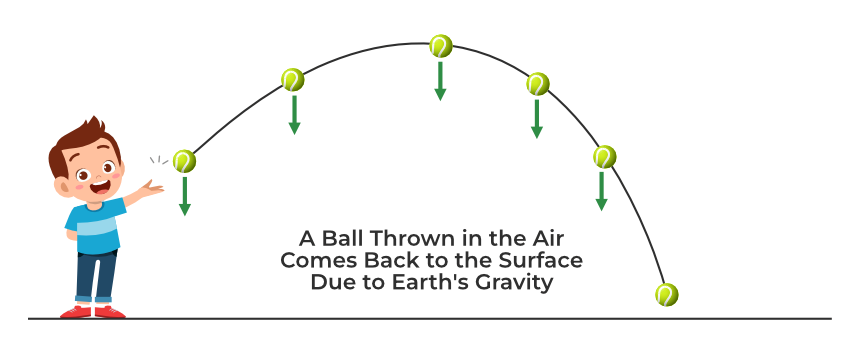
Gravitational Force

Gravitational Field

The region where a mass experiences a gravitational force.
g = F/m
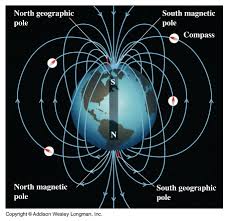
Gravitational Field

Acceleration due to Gravity

Near Earth's surface:
g = 9.8 m/s²
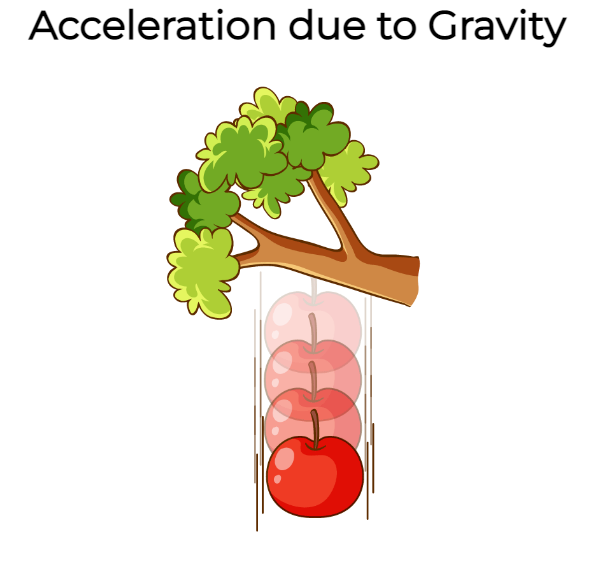
g value

Equations

Newton's Law

F = G(m₁m₂)/r²

Field Strength

g = GM/r²

Gravitational PE

U = -G(m₁m₂)/r

Escape Velocity

vₑ = √(2GM/R)

Kepler's Laws of Planetary Motion

Kepler's Laws

Example Problems

1. Find force between two 5 kg masses 2 m apart.

Solution: F = G(m₁m₂)/r² = (6.67×10⁻¹¹ × 25)/4 = 4.17×10⁻¹⁰ N

2. Calculate g at 6400 km from Earth's center (R = 6400 km).

Solution: g = GM/R² = 9.8 m/s² (on surface)

3. What is escape velocity from Earth? (R = 6.4×10⁶ m, M = 6×10²⁴ kg)

Solution: vₑ = √(2GM/R) ≈ 11.2 km/s

4. If g at surface is 9.8 m/s², find g at height R (i.e., h = R)

Solution: g' = g/(2)² = 9.8 / 4 = 2.45 m/s²